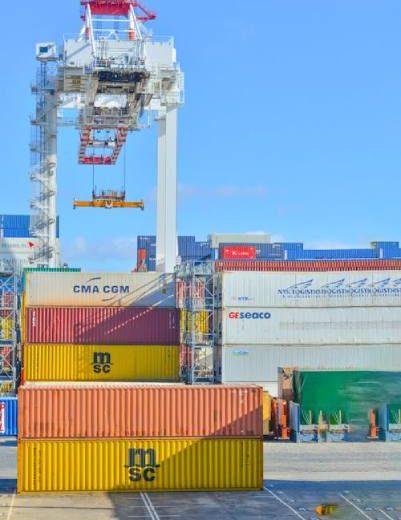
Picture a yard full of trailers. Maybe two hundred of them. Some are loaded, some are empty, and at least three are missing, according to last week’s audit. Nobody is quite sure when they went missing or where they went. This is the story most fleet operators tell when pressed. Not always with two hundred trailers, sometimes more, sometimes less. The details shift, the problem does not. A shipment tracking solution closes that gap, telling you where every asset sits before the next audit catches you out.
Tracking non-powered assets has always been the harder side of logistics. A truck has a battery and a driver. A container does not. A rail wagon sits on a siding for weeks at a time. A trailer gets dropped at a customer site and forgotten. The asset is moving, then it is not, then it is again, and you have no way of knowing which. This is where a solar powered GPS tracker starts to make sense as a shipment tracking solution.
Why Battery Trackers Fall Short on Long-Haul Assets
A standard battery tracker works fine for a parcel. Stick it on a box, send the box off, and recover the data when it arrives. The battery lasts the length of the journey, and that is the end of it.
Containers and trailers do not work that way. They have lived in the field for years. A battery tracker on a sea container is dead within months. Now you have a piece of dead hardware on a steel box somewhere in the Pacific.
You can replace the battery. Of course you can. But that means sending someone to find the asset, swap the unit, and put it back into service. Multiply that by a fleet of three thousand, and the maintenance cost stops being trivial.
Where Solar Earns Its Place
A solar-powered GPS tracker is built for the long haul. Sunlight tops up the unit while the asset sits in a yard, on a vessel, or rolling along a rail line. The hardware keeps reporting for ten years or more without a battery swap.
The use cases that fit this kind of shipment tracking solution:
- Sea freight containers spend weeks at sea and months in storage
- Trailer fleets with high drop and hook activity across multiple sites
- Rail wagons sitting on sidings between consignments
- Heavy plants and equipment were moved between project locations.
- Reefer containers needing location data alongside condition data
The point is not that solar is better than a battery. It is that battery hardware was never built for assets that live outdoors for a decade.
The Quiet Cost of Doing Nothing
Lost containers cost money. Misplaced trailers cost money. Idle rail wagons cost money. The losses do not show up in one big line item, which is partly why they get tolerated. They bleed out through demurrage charges, replacement asset purchases, missed delivery windows, and customers who quietly take their volume elsewhere.
The fleets that figure this out tend to figure it out after a bad quarter, not before. Perhaps yours is already there.
The trackers that work for ten years are the ones doing the counting while everyone else is still searching the yard.
Featured Image Source: https://images.pexels.com/photos/2881632/pexels-photo-2881632.jpeg
 Ryan Thorne