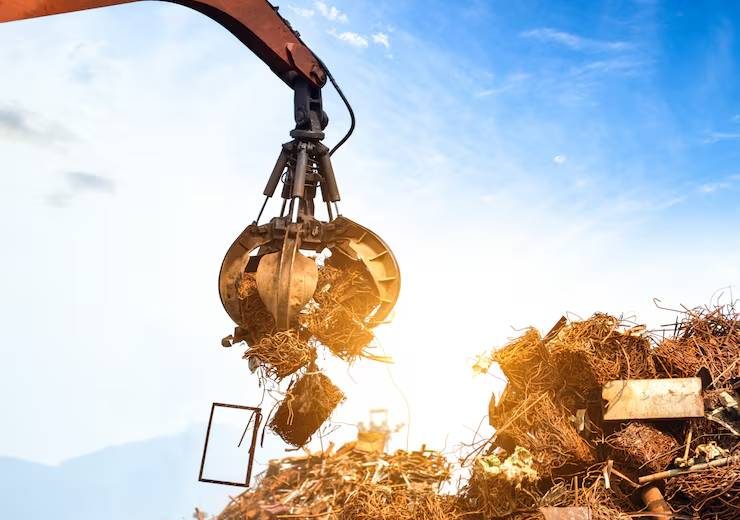
Metal waste piles up fast. If your business produces a lot of it, you’re probably wondering what happens next. The process isn’t as complicated as you might think, but there are a few steps involved that make it all work.
Metal stands out because it can be recycled repeatedly. You don’t lose quality. You don’t lose strength. Metal recycling processes have been refined over decades, resulting in a system that keeps the same material in circulation without degradation. Steel, aluminium, copper, brass, they all come back just as good as new. Perhaps that’s why scrap metal holds value. It’s not a waste. It’s a resource.
Let’s break down how it all happens. If you’re in Melbourne and dealing with commercial metal waste, understanding scrap metal recycling in Melbourne can help you make smarter decisions. The city has facilities that handle everything from building site offcuts to industrial scrap, and the process is pretty much the same across the board.
Why Metal is Different?
Most materials break down after a few cycles. Plastic degrades. The paper weakens. Metal? It doesn’t care. You can melt it, reshape it, and use it again without any real loss. That’s what makes it so valuable.
Key benefits of metal recycling:
- No quality degradation across multiple cycles
- Lower collection costs compared to virgin material production
- Reduced energy consumption and mining requirements
- Consistent material properties, whether recycled once or a hundred times
- Market value remains stable for scrap materials
Ferrous metals like steel are constantly recycled. Non-ferrous metals like aluminium and copper follow the same path. The properties remain intact, meaning recycled metal performs just as well as virgin material. Businesses like this because it cuts costs. Instead of paying for new raw materials, you’re working with materials that have already been through the system.
The Four Stages of Metal Recycling
Here’s what actually happens when metal leaves your site:
| Stage | Process | Purpose |
| Segregation | Sorting by type, weight, and density | Remove contaminants, identify valuable metals |
| Preparation | Shredding, compacting, and cleaning | Reduce size for faster melting, lower emissions |
| Burning | Furnace melting at high temperatures | Convert solid metal to molten form |
| Formation | Moulding into ingots, bars, or powder | Create ready-to-use material for manufacturers |
Stage 1: Segregation
Metal arrives mixed. Different types, different sizes, different densities. The first job is sorting it all out. Magnets pull ferrous metals aside. Sensors detect non-ferrous materials. Anything that doesn’t belong (plastics, contaminants) gets removed. This step used to be manual. Now it’s mostly automated, which speeds things up and catches more material. Facilities can recover up to 95% of metals this way.
Stage 2: Preparation
Once sorted, the metal gets shredded. Smaller pieces melt faster and use less energy. Aluminium turns into thin sheets. Steel gets compacted. The goal is to make everything uniform so the next stage runs smoothly. This is where the environmental benefit really kicks in. Smaller pieces mean lower emissions during melting.
Stage 3: Burning
The shredded metal goes into a furnace. Temperatures climb until the metal melts. How long this takes depends on the material.
Common melting points:
- Zinc: 419°C
- Aluminium: 660°C
- Copper: 1,085°C
- Iron: 1,510°C
The furnace doesn’t care. It just keeps heating until everything turns molten. This is the part that requires specialist equipment and careful handling.
Stage 4: Formation
Molten metal gets poured into moulds, forming ingots. These are pure blocks ready for their next life. Some get shaped into bars. Others stay liquid or turn into powder for transport. Either way, they head straight to manufacturers who treat them exactly like virgin material. The cycle starts again.
Getting Started
Start by looking at what you’re throwing away. How much is metal? Where does it come from? Can you separate it at the source? If you’re generating large volumes, collection services will come to you. Smaller amounts might need to be dropped off at a facility. Either way, the process is straightforward once you know what you’re working with. Metal recycling isn’t just about compliance or ticking boxes. It’s about turning waste into something useful. The process is proven. The infrastructure exists. And the material never loses its value.
Featured Image Source: https://img.freepik.com/free-photo/crane-grab-scrap_1112-1219.jpg?semt=ais_hybrid&w=740&q=80
 Ryan Thorne