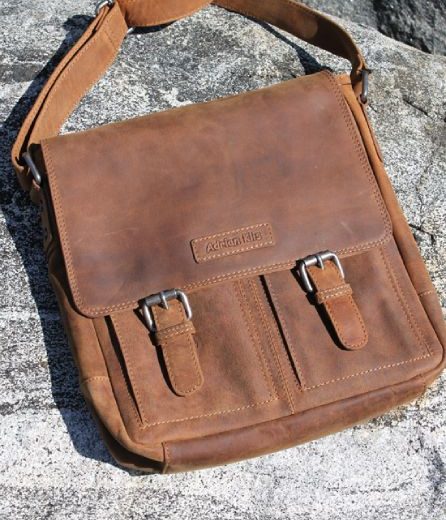
Every bag holds history that reaches further than most people realise. When you carry a handcrafted purse, you’re holding more than hide and thread. The weight includes centuries of preserved knowledge, techniques refined through countless tries, and traditions that might vanish without someone keeping them alive. These aren’t made for seasonal trends.
Cultural Significance in Every Stitch
Beyond Fashion Accessories: Canadian native crafts come from foundations that existed thousands of years before markets appeared. Patterns stitched into a purse often reference specific family lines, territories, or spiritual teachings passed down. What looks decorative might actually function as visual language, conveying messages about identity or seasonal cycles. Carrying one becomes more meaningful than matching an outfit.
Functional Art With Purpose: Canadian made purses crafted by Indigenous artisans merge practical design with cultural expression in ways mass production can’t touch. Material choices reflect knowledge about what lasts, what protects, what honours the earth. Moose hide treated using ancestral methods feels different than commercial leather. Beadwork arranged in specific patterns might show the maker’s nation, creating visual signatures that connect you to particular territories and peoples.
The Making Process
Traditional Techniques Preserved: Creating these pieces requires skills transferred through careful mentorship between generations. An elder might teach a younger artisan how to prepare hides using methods refined over time that commercial producers skip entirely. The Tanning process alone can take weeks, involving natural materials and precise timing. Quillwork and beading demand patience, with some designs requiring hundreds of hours to finish.
Material Selection and Sourcing: Artisans choose components with clear intention. Leather might come from community hunts where nothing gets wasted. Beads, threads, embellishments get selected for durability and cultural fit rather than cost. Some makers still harvest natural dyes from plants, creating colours that shift with age instead of fading harsh like synthetics do. Each purse represents ethical practices that respect animals and land.
Supporting Cultural Continuity
Economic Impact on Communities: When you invest in authentic Indigenous-made goods, you support artists and families directly instead of middlemen grabbing cuts. This lets cultural practitioners work full-time rather than squeezing it around other jobs. Young people see actual paths forward in traditional arts, which preserves knowledge that might otherwise disappear within a generation.
Key benefits of ethical purchasing include:
- Direct financial support reaches artists and communities, keeping money within cultural networks instead of corporate chains
- Cultural knowledge stays active and relevant instead of becoming museum pieces disconnected from daily life
- Traditional skills get passed to younger generations who can sustain themselves through this work
- Communities control their cultural expressions and how they’re shared with outside audiences
Distinguishing Authentic Creation: The market has plenty of imitations that steal Indigenous designs without understanding or permission. Authentic pieces come with the maker’s story, often their name, community, and techniques used. Reputable sellers provide this context, helping you make informed choices that respect cultural ownership. The difference matters because knock-offs perpetuate harm. Authentic buying builds relationships.
Choosing an Indigenous-made purse means participating in preservation instead of just buying an accessory. These pieces carry traditions forward, support artists, keep connections alive between generations. Ready to own something with real meaning? Seek out authentic Indigenous-made goods from reputable sources that honour creators and communities. Your choice keeps these cultural expressions thriving for people yet to come.
Featured Image Source: https://wolfden.ca/wp-content/uploads/2025/07/2908-1.jpg
 Ryan Thorne