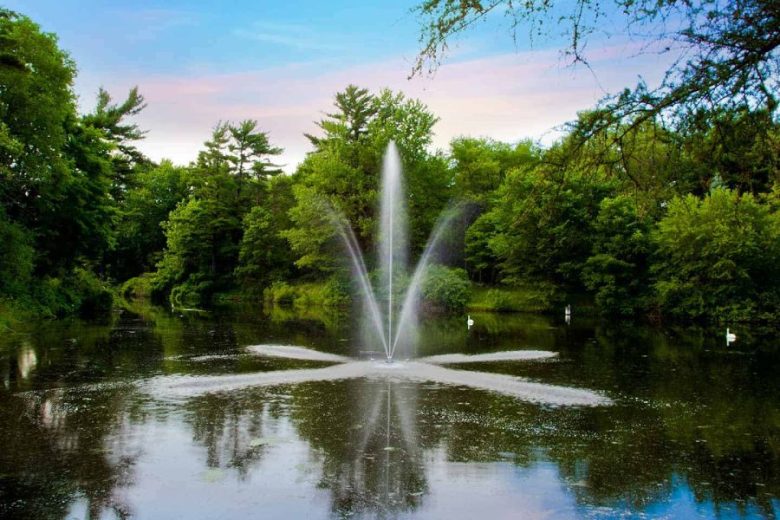
Outdoor fountains transform garden spaces into tranquil retreats, offering a perfect blend of visual beauty and soothing sounds. Homeowners increasingly seek ways to elevate their outdoor living areas with water features that create a sense of peace and relaxation. Gardens with water elements become more inviting, drawing attention and creating a focal point that captures the imagination. Aesthetic landscaping becomes more achievable with carefully selected water elements that complement existing design themes.
The garden fountain pump plays a critical role in maintaining the fountain’s performance and aesthetic appeal. Selecting the right pump ensures consistent water circulation, preventing stagnation and maintaining the fountain’s visual charm. Proper pump selection depends on factors like fountain size, water volume, and desired spray height. Different pump models offer unique benefits, from quiet operation to energy efficiency. Hydraulic pressure significantly influences overall fountain performance, affecting water flow and visual presentation.
Understanding Fountain Water Management
Water Circulation Basics: Learning how to keep fountain water from evaporating helps preserve the fountain’s performance and reduces maintenance needs. Water loss can compromise pump functionality and overall fountain appearance. Consistent water level management prevents potential damage and maintains the fountain’s visual appeal. Environmental factors like temperature, wind, and direct sunlight can accelerate water evaporation, making proactive management crucial for long-term fountain health.
Evaporation Prevention Strategies: Several practical approaches can minimize water loss and protect the fountain’s ecosystem. Consider these key methods:
- Use a fountain cover during hot periods
- Place the fountain in partial shade
- Install a water level monitoring system
- Choose pumps with efficient circulation patterns
- Consider using water-retention additives or sealants
Pump Selection and Installation
Pump Capacity Considerations: Homeowners should carefully measure their fountain’s dimensions and water requirements before purchasing a pump. Matching pump specifications to fountain design ensures optimal water movement and visual appeal. Consider factors like fountain size, desired water flow, and available power sources. Take into account the vertical lift required, as pumps must be powerful enough to push water to desired heights and maintain consistent flow.
Installation Best Practices: Proper pump placement determines the fountain’s effectiveness. Carefully position the pump to maximize water circulation while protecting it from debris and potential damage. Ensure electrical connections are secure and follow manufacturer guidelines precisely. Take time to understand the specific requirements of your chosen pump. Consider accessibility for future maintenance, and protect electrical components from potential water damage.
Maintenance and Troubleshooting
Regular Care Routine: Consistent maintenance prevents most fountain-related issues. Clean the pump and fountain basin monthly, removing debris and checking for signs of wear. Pay special attention to potential buildup that could impair water circulation or damage the pump mechanism. If you notice a sudden decrease in pressure, most likely there is a blockage to the intake of the pump. It could also be that you need to remove and inspect the impeller and impeller cavity for damage or build up of muck. Inspect electrical components regularly to catch potential problems early. A proactive approach can significantly extend the life of your fountain and pump.
Seasonal Considerations: Different seasons require unique maintenance approaches. Winterize the fountain in cold climates by draining water and protecting the pump. In warmer regions, more frequent cleaning might be necessary to prevent algae growth and mineral buildup. Adapt your maintenance routine to local climate conditions. Consider using protective covers during extreme weather and store removable components carefully during off-season. If a fountain pump freezes, it can be damaged. It is best to bring inside during icy winters.
Creating and maintaining an outdoor fountain requires thoughtful planning and consistent care. Invest time in understanding your fountain’s specific needs, and you’ll enjoy a beautiful water feature that enhances your outdoor space for years to come. Contact a local fountain expert to get personalized advice tailored to your specific garden environment and fountain design.
Featured Image Source: https://www.fountaintechpumps.com/wp-content/uploads/2022/11/clover-1-2-scenic-201707-feature_1024x1024_2x_a3c73e38-10ee-49c5-bd49-787f053cbadb.jpg
 Ryan Thorne