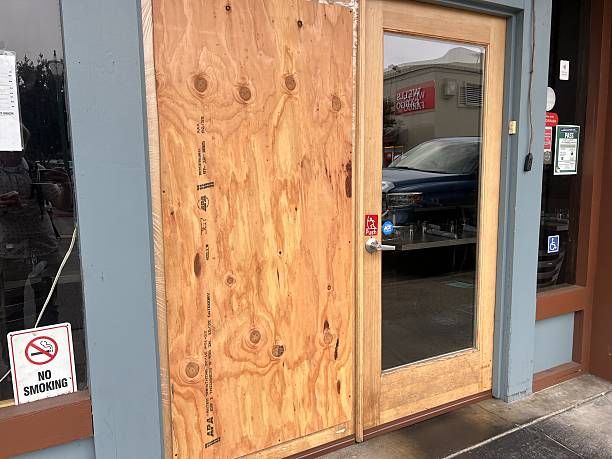
Most people walk into a shop and trust whatever the dealer recommends. They pay extra for “premium” plywood without knowing what separates it from cheaper alternatives. The truth is, not all plywood carries the same structural integrity or lifespan. Some sheets warp within months, others hold strong for years. The difference lies in manufacturing standards that most buyers never question.
Manufacturing Standards That Define Quality
Factory Precision Matters: A reputable plywood factory in India follows strict protocols during veneer selection, adhesive application, and pressing stages. Each layer gets inspected for defects like knots, splits, or uneven thickness. Precision cutting ensures panels remain dimensionally stable after installation. Temperature and pressure controls during the hot-pressing stage determine whether the bond between layers will survive moisture exposure or fail prematurely.
Testing Protocols Separate Good From Average: Proper quality control involves multiple checks at different production stages. Samples undergo boiling water tests to verify adhesive strength. Bending tests measure structural capacity under load. Moisture content readings prevent future warping issues. Manufacturers who skip these steps produce panels that look acceptable initially but deteriorate faster than expected in real-world conditions.
Core Composition and Resin Types
What’s Inside the Panel: Core material determines how plywood behaves over time. Hardwood cores offer better screw-holding capacity than softwood alternatives. Cross-banding techniques reduce expansion and contraction issues. Phenol formaldehyde resins provide waterproof bonding for BWP-grade sheets, making them suitable for kitchens and bathrooms where moisture remains a constant threat.
Grading Systems Explained: IS 303 and IS 710 standards classify plywood based on appearance and structural performance. Grade I panels feature minimal surface defects and consistent veneer quality. Lower grades contain patches, discolouration, or open joints that affect finishing work. Thickness tolerance also varies between grades. A 19mm premium sheet measures exactly that, cheap versions might be 17mm or less.
Visual Indicators of Genuine Quality
Surface Inspection Tells a Story: Premium panels show uniform grain patterns without abrupt colour shifts. The face veneer should feel smooth, with tight grain lines and no rough patches. Edges reveal the number of plies and bonding quality. Count the layers, more plies generally mean better stability. Check for gaps between layers or adhesive bleed-through that signals poor manufacturing.
Weight and Density Checks: Heavier panels typically contain denser wood species and more adhesive. Lift two same-sized sheets from different brands. The lighter one might use inferior core material or inadequate glue application. Density affects both strength and durability, particularly for load-bearing applications like shelving or bed frames where structural failure creates safety risks.
Practical Selection Tips for Different Applications
Match Material to Environment: Kitchen cabinets need boiling waterproof plywood to survive steam and spills. Bedroom furniture can use moisture-resistant grades that cost less but still perform well. Commercial spaces demand fire-retardant plywood for safety compliance. Installing the wrong grade in high-moisture areas guarantees problems within 18 to 24 months, perhaps sooner if ventilation remains poor.
Ask the Right Questions: Does the dealer provide test certificates? What’s the veneer thickness on the face and back? Which adhesive type bonds the plies? Can they show cross-sections of the panel? Legitimate sellers answer these questions easily. Vague responses or pressure to buy quickly suggests the product quality doesn’t match the premium pricing.
Paying extra for premium plywood makes sense only when buyers understand what they’re getting. Check manufacturing credentials, verify grading standards, and inspect physical characteristics before purchasing. Cheaper alternatives might look similar initially but rarely deliver the same longevity or performance. Choose wisely based on actual specifications rather than sales pitches, and your investment will support furniture and interiors that maintain their integrity for years.
Featured Image Source: https://media.gettyimages.com/id/2249641306/photo/plywood-covers-the-windows-of-a-restaurant-in-walnut-creek-california-following-a-burgluary.jpg?s=612×612&w=0&k=20&c=oLl4CQbHK-3AxKcKzOkYE6SgNZ1v4Lsb34fe51ub4Xk=
 Ryan Thorne