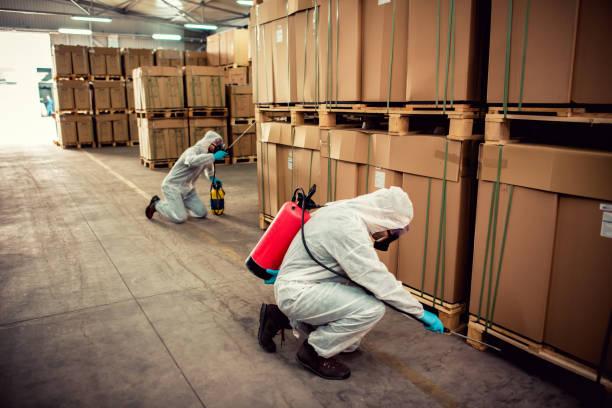
Pests in a commercial space are not just an embarrassment. They are a health liability. A single rodent sighting near a break room, or cockroach droppings along a kitchen shelf, signals something much bigger happening behind the walls. Left alone long enough, these problems grow into serious risks for staff, customers, and the business itself.
When the Workplace Becomes a Disease Vector
Pathogens Travel Fast in Commercial Spaces: Professional pest control services address what most businesses underestimate — rodents and insects actively spread disease through droppings, urine, and direct contact with surfaces. Rodents carry Leptospirosis and Salmonella. Cockroaches transfer pathogens across food prep surfaces overnight. By morning, staff are working in a contaminated environment without realising it.
The Gap Between Visible and Actual: Most infestations are well-established before anyone spots them. A single cockroach sighting typically means hundreds more are active in hidden areas. Commercial pest control identifies that gap between what is visible and what is real, addressing exactly where health risks escalate quietly before they compound into something far harder to manage.
Food Environments Carry the Highest Stakes
Cross-Contamination Starts Before Cooking Begins: Insects move freely across preparation surfaces, storage areas, and packaging in food-handling environments. Contamination does not require a visible infestation. One rodent moving through a pantry overnight leaves behind traces that create genuine food safety violations and, worse, real illness risk for customers and staff alike.
Compliance Failure Happens Fast: Auckland businesses in food service face strict health and safety obligations. A single failed inspection linked to pest activity can shut down operations immediately. The financial consequence of that outcome is significant, and it rarely comes with much warning beforehand.
The Allergen Problem Most Employers Miss
Respiratory Risks Build Gradually: Pest allergens from cockroach shed skins and rodent dander become airborne and accumulate in ventilation systems over time. Staff experience persistent sneezing, irritated eyes, or respiratory discomfort, and the cause goes unidentified for months. For employees with asthma, the exposure is considerably more serious and can lead to time off work.
Allergen risks include:
- Cockroach shed skins accumulate in ducts and release particles into circulated air.
- Rodent urine dries and becomes airborne on disturbed surfaces.
- Fly activity near food areas transfers bacteria to multiple surfaces per hour.
- Spider and insect debris in rarely cleaned storage areas builds up as a consistent irritant.
The Sick Building Effect: Workplaces with undetected infestations often see increased staff sick days before anyone connects the dots. Productivity drops. The environment feels off. That’s what matters here — the cost is not just medical, it is operational.
Routine Inspections Change the Outcome
Catching Problems Before They Compound: Regular professional inspections catch early activity before pest populations establish. Integrated pest management allows technicians to identify entry points, conducive conditions, and early evidence of nesting well before visible signs appear. Businesses that schedule routine checks avoid the reactive, expensive response that crisis infestations demand.
Documentation Protects the Business: Inspection records also serve as compliance documentation. In regulated industries, proof of pest management activity is not optional. Having a scheduled programme in place is the difference between demonstrating due diligence and scrambling after an incident.
Safer Treatment for Healthier Work Environments
Eco-Friendly Products Deliver Real Results: Eco-conscious treatment options protect staff during and after application. Products targeting specific pest species reduce unnecessary chemical exposure across the workspace. New Zealand-specific formulations work effectively without disrupting beneficial insects or creating hazardous residue on work surfaces. Cause that distinction matters in environments where staff return the same day.
Protecting the Workplace Starts Today
Pest activity in commercial spaces carries consequences that go well beyond the obvious. Disease transmission, contamination, allergen exposure, and compliance risk are real and measurable. Businesses that treat pest management as routine maintenance rather than emergency response protect their staff, customers, and reputation. Contact a certified pest management professional today for a workplace inspection and take the first step toward a healthier, safer environment.
Featured Image Source: https://media.gettyimages.com/id/1212787021/photo/exterminators-in-warehouse-spraying-pesticides-with-sprayer.jpg?s=612×612&w=0&k=20&c=1xoOYiXTe0cOtSBBda7dEtc2mssnQccszLtWH33qD24=
 Ryan Thorne