Getting a substantial tattoo means committing to sitting for hours in the chair. The bigger the piece or the more detailed the design, the longer you’ll need to sit still. Back pieces, full sleeves, and intricate shading work can stretch across multiple sessions, each lasting three to six hours. Your body gets tired, your mind wanders, and that initial excitement starts fading when discomfort sets in.
Making Extended Sessions Manageable
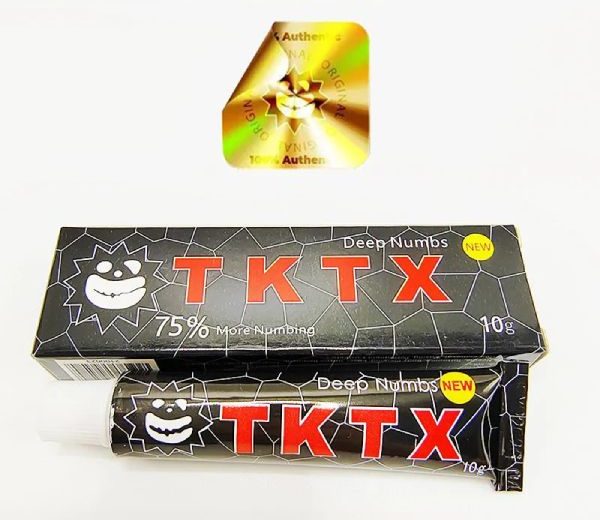
Professional-Grade Solutions Work Better: Using TKTX numbing cream before long appointments changes everything about the experience. This professional-strength formula blocks nerve signals for extended periods, letting you maintain focus and stillness throughout demanding sessions. Artists notice the difference immediately when clients arrive prepared with effective numbing, as it allows them to work steadily without constant breaks.
Strategic Application Matters: Proper pain management starts before you even arrive at the studio. Applying numbing products 60 to 90 minutes before your appointment gives them time to penetrate deeply. The area needs to be clean and dry, with a generous layer of cream covered by plastic wrap to lock in the numbing effect.
Why Large Pieces Demand Different Preparation
Time Becomes Your Enemy: Short sessions feel tolerable even without numbing assistance. But when you’re facing a four-hour appointment for detailed shading or colour work, every minute compounds the challenge. Your dermal tissue responds to repeated needle passes by becoming increasingly sensitive, making the final hour significantly harder than the first.
Artist Performance Depends on Client Stability: Flinching, tensing, or shifting position disrupts line work and shading consistency. When you can sit motionless because pain isn’t overwhelming, your artist produces cleaner results. The piece heals better too, since steady application means less trauma to the skin and more predictable ink retention over time.
Practical Benefits for Complex Work
- Fine-line details require absolute stillness, which becomes nearly impossible when you’re fighting discomfort for extended periods.
- Colour saturation improves when artists can work methodically without rushing through sections before your tolerance runs out.
- Multiple passes for shading happen more smoothly when you’re not anticipating each stroke with dread.
- Artists can complete larger sections in single sessions, reducing the total number of appointments needed for big projects.
The Reality of Multi-Hour Sessions
Physical Fatigue Amplifies Discomfort: Your body gets stiff from maintaining one position. Your muscles ache, your circulatory system struggles with restricted blood flow, and perhaps the room feels too warm or too cold. All these factors lower your pain threshold, making even moderate discomfort feel unbearable as hours pass.
Mental Exhaustion Affects Results: You start questioning whether you can finish. Maybe you consider calling it early, leaving sections incomplete. This mental battle distracts you, increases tension, and creates a negative experience that colours how you remember the entire process. Quality numbing products eliminate this psychological struggle by removing the primary source of distress.
Large and detailed tattoos don’t have to be ordeals you barely survive. Preparing with professional-strength numbing solutions like TKTX transforms extended sessions into manageable experiences that let you and your artist focus on creating exceptional work. You’ll sit comfortably for the entire appointment, your piece will turn out exactly as planned, and you’ll actually enjoy the process instead of enduring it. Take control of your comfort before your next big session and see the difference that proper preparation makes.
Featured Image Source: https://www.numbingcream.com.au/cdn/shop/files/IMG-20231201-WA0007-900x_1024x1024@2x.jpg?v=1705194986
 Ryan Thorne