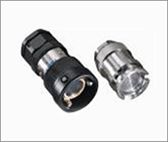
Industrial facilities lose thousands of litres of valuable fluids each year through preventable leaks. The cost goes beyond wasted product. Contaminated work areas create safety hazards. Downtime for cleanup and repairs disrupts production schedules. Equipment damage from exposure to chemicals or hydraulic fluids adds up quickly.
Understanding Quick-Connect Solutions
- Camlock Coupling for Speed and Reliability: The camlock coupling system revolutionises how operators handle routine connections. Two-part designs lock together with cam-and-groove mechanisms that engage in seconds. No threading required. No complicated alignment procedures. Workers simply push the adapter into the coupler and flip the arms into place.
- Zero-Spill Technology for Sensitive Applications: The todo coupling takes leak prevention further with automatic shut-off valves on both connection halves. When operators separate the coupling under pressure, internal valves close instantly before any fluid escapes. This matters enormously in pharmaceutical manufacturing, food processing, and chemical handling where even minor spills create contamination risks.
Addressing Root Causes of Connection Failures
- Material Compatibility Prevents Degradation: Choosing the right gasket material stops leaks before they start. Nitrile rubber works well for petroleum oils and fuels. EPDM handles water and steam applications. PTFE resists aggressive chemicals that destroy standard elastomers. Temperature extremes cause materials to harden, crack, or lose compression.
- Pressure Rating Compliance Ensures Safety: Every coupling carries maximum pressure specifications for good reason. Operating beyond these limits stresses locking mechanisms and seal surfaces. Small cracks develop in metal components. Gaskets extrude through gaps. What starts as minor seepage becomes catastrophic failure. Matching system requirements to coupling ratings prevents dangerous incidents.
Design Features That Matter
- Ergonomic Operation Reduces Human Error: Connection and disconnection procedures need to be straightforward even in awkward positions or poor lighting. Lever-operated cams require less hand strength than threaded connections. Visual indicators confirm proper engagement. These practical design elements reduce mistakes that lead to incomplete connections and subsequent leaks.
- Corrosion Resistance Extends Service Life:
- Stainless steel bodies withstand chemical exposure and outdoor environments
- Anodised aluminium offers lightweight durability for portable equipment
- Brass fittings suit potable water and food-grade applications
- Protective coatings prevent galvanic corrosion in mixed-metal installations
Maintenance Practices for Long-Term Performance
- Regular Inspection Catches Problems Early: Visual checks reveal worn gaskets, damaged cam arms, and debris in grooves before they cause failures. Monthly inspections take minutes but prevent costly emergency repairs. Looking for fluid residue around connections indicates developing seal problems. Addressing small issues during planned maintenance keeps systems running smoothly.
- Proper Storage Protects Idle Equipment: Dust caps prevent contamination of coupling faces during storage. Hanging hoses vertically drains residual fluids that might freeze or degrade seals. Clean, dry storage areas protect threaded connections and precision surfaces from corrosion that causes leaks when equipment returns to service.
- Training Personnel Improves Outcomes: Operators who understand proper connection techniques make fewer errors. Training programmes covering coupling types, pressure limits, and maintenance signs reduce workplace accidents. Knowledge about fluid compatibility and emergency procedures builds confidence in handling transfer operations safely.
Coupling technology directly impacts operational efficiency and workplace safety. Investing in properly specified quick-connect systems reduces fluid loss, minimises contamination risks, and protects workers from exposure hazards. Contact industrial fluid transfer specialists to evaluate your current systems and identify improvements that deliver measurable results in leak prevention.
Featured Image Source: https://www.jreltd.com/images/dry-break-coupling/2.jpg
 Ryan Thorne