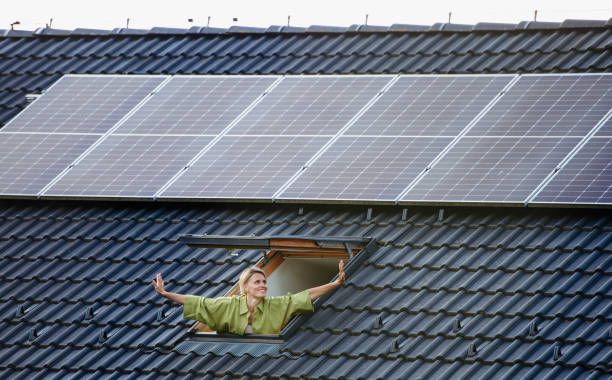
Residential Applications and Grid Integration
Urban and Suburban Implementation: Solar panel installation Ontario has become a trend among homeowners who now consider it a necessity, with different setups ranging from roof panels to ground-mounted arrays if you have a spacious yard. With net metering, the grid acts as a battery for you. When your solar panels generate more electricity than you consume, you send it back to the grid and then during night hours or gloomy winter days you withdraw from it. The decrease in equipment prices has also made the math more favourable today.
Provincial Energy Programs: Ontario Solar programs support residential adoption through net metering that credits your account when you generate extra. Getting permits sorted takes time and a fair bit of paperwork. Municipal requirements shift depending on where you live, though offices have gotten better at processing these as applications become routine. Some homeowners hit payback in ten to fifteen years, especially with decent sun and higher utility rates. Your results will vary based on system size and actual consumption.
Rural Properties and Off-Grid Solutions
Cabin and Cottage Applications: Remote properties face a different set of questions. Running power lines to your cabin might cost more than a decent used car, which is where solar with battery storage starts looking sensible. No more generators shattering the quiet when you just want to keep the fridge running or charge a phone. Installing solar panels solves energy requirements at an affordable price.
Agricultural Integration: Farm operations are finding multiple uses beyond basic electricity. Large barn roofs and unused land can accommodate substantial arrays that power more than just the farmhouse. Solar installations support:
- Irrigation systems that need consistent power during growing seasons
- Ventilation and climate control for livestock facilities
- Cold storage units where temperature fluctuations cause real losses
- Charging infrastructure for electric farm equipment
The appeal goes beyond cost savings. Power interruptions on a farm can mean spoiled products or stressed animals, so having battery backup provides security that’s hard to put a price on.
System Components and Performance Factors
Technical Considerations: Modern setups need several parts working together without much drama. Inverters change the direct current produced by the solar panels into alternating current, which is the type used by your home appliances. The charge controllers prevent batteries from reaching high voltages or going to very low levels, which is important for longevity. Monitoring systems display the production and consumption of electricity at the same time.
You will be able to recognize patterns after a couple of months that include high power consumption by certain appliances and times when electricity is being wasted without your knowledge. Catching issues early, before an inverter fails or batteries die, saves money.
Environmental Variables: Ontario weather throws curveballs depending on the season. Snow cuts output temporarily, though panels shed it faster than regular roofs because of smooth surfaces and slight warmth from operation. Cold actually boosts panel efficiency compared to summer heat, which catches people off guard. Installations handle wind and ice buildup differently, so proper mounting matters for surviving harsh winters intact.
Financial Planning and Long-Term Value
Cost Analysis: Investment amounts shift based on system size and independence goals. Some setups supplement grid power during sunny periods. Others push for near-complete self-sufficiency with extensive battery banks. Simple payback periods don’t capture everything, though. Property values increase with solar installations. You’re also buying protection against whatever rates utilities charge down the road. Energy security weighs differently for different people. Some folks value grid independence.
The Ontario properties, whether urban homes or remote cabins or working farms, face different priorities. Your choice hinges on energy requirements, local weather patterns, and whether independence justifies upfront investment. Review municipal regulations and hunt for available incentives before settling on system specifications.
Featured Image Source: https://media.gettyimages.com/id/2178508512/photo/beautiful-woman-is-looking-out-of-the-roof-window-solar-panels-on-the-roof-above-her.jpg?s=612×612&w=0&k=20&c=jzE0BAHx2JussgZQ-wSlYb5h0cL6qSxp9uFs9pyZa6w=
 Ryan Thorne