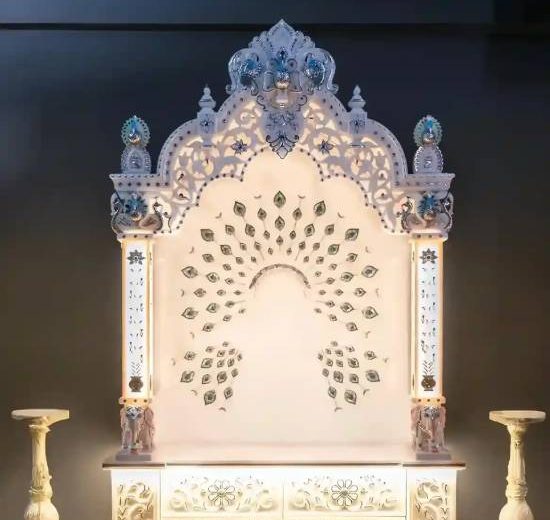
Designing a sacred space within your home is both an art and a spiritual undertaking. The process involves careful consideration of numerous elements—from selecting the right materials to understanding architectural principles that enhance the spiritual ambience. Yet, many homeowners make avoidable mistakes during this process, compromising not just the aesthetic appeal but also the spiritual significance of their temple space.
When planning a home temple design, the most critical phase is perhaps the conceptualisation. Many people jump straight to execution without properly visualising how the space will function within their home. A well-thought-out design considers not just the beauty of the temple but also its functionality, ensuring that daily rituals can be performed comfortably and that the space emanates serenity.
For those considering a stone temple for home, material selection becomes paramount. Vietnam White Marble often stands out as a superior choice due to its purity and longevity, yet many fail to research material properties thoroughly. Some materials may look exquisite initially but can deteriorate over time, developing stains or discolouration that diminish the sacred atmosphere. Taking time to understand material characteristics can prevent disappointment later.
Overlooking Vastu Principles
The ancient science of Vastu Shastra provides guidelines for creating harmonious living spaces, including temples. A common mistake is disregarding these principles when deciding on temple placement. The northeast corner (Ishan) is traditionally considered auspicious for temples, yet many place their temples based solely on available space rather than directional significance.
Another oversight is placing the temple in areas with high foot traffic or near bathrooms. Such placement contradicts vastu principles and can disrupt the peaceful atmosphere necessary for worship. The temple should ideally be in a quiet corner where family members can meditate and pray without distractions.
Improper Scale and Proportions
Scale matters tremendously in temple design. An oversized temple in a modest room can overwhelm the space, while a tiny temple in a spacious area might seem insignificant. The temple should harmonise with its surroundings while still commanding reverence. Many forget to consider ceiling height when designing tall temple structures, resulting in awkward proportions.
Proportional harmony extends to the idols placed within the temple as well. They should be sized appropriately relative to the temple structure—neither too large that they appear cramped nor too small that they look lost within the space. This balance creates visual harmony that enhances the worship experience.
Inadequate Lighting Considerations
Lighting dramatically affects the temple’s ambience, yet is often an afterthought. Poor lighting can obscure beautiful details of hand-carved stonework and create shadows that dampen the spiritual mood. A combination of natural light (where possible) and thoughtfully placed artificial lighting elevates the temple’s visual and spiritual impact.
Some people install harsh white lights that create a clinical rather than a sacred atmosphere. Warm, soft lighting complements stone surfaces particularly well, highlighting the natural beauty of materials like Vietnam White Marble while creating a serene ambience conducive to meditation and prayer.
Neglecting Practical Aspects
Functionality sometimes takes a backseat to aesthetics in temple design. Practical considerations such as storage space for worship items, accessible shelves for daily offerings, and ease of cleaning are essential for a temple that serves its purpose effectively. Without these considerations, daily worship becomes inconvenient.
The height of the main platform is another practical aspect often overlooked. If too high, it makes daily rituals uncomfortable; if too low, it might not create the appropriate sense of reverence. Finding the right balance requires considering who will use the space and how they will interact with it during worship.
Rushing the Craftsmanship Process
Perhaps the most significant mistake is rushing the artisans who bring temple designs to life. Traditional stone carving is a meticulous process requiring skill developed over generations. When clients press for unrealistic timelines, craftsmanship inevitably suffers, resulting in temples that lack the fine details and precision that make them truly exceptional.
Good craftsmanship requires patience. The intricate carvings, delicate motifs, and structural integrity of a well-crafted temple cannot be rushed. Allowing artisans adequate time ensures that every chisel mark contributes to a harmonious whole that will stand the test of time.
Forgetting About Maintenance Requirements
Different stone materials have varying maintenance needs. Failing to consider long-term care requirements when selecting materials can lead to premature deterioration. Vietnam White Marble, for instance, offers not just beauty but relative ease of maintenance—yet even this superior material needs appropriate care to maintain its lustre.
Some designs, while visually stunning, create countless nooks and crannies that gather dust and are challenging to clean. A thoughtful design balances ornate beauty with practical maintenance considerations, ensuring the temple remains pristine for years to come.
Choosing Design Over Authenticity
In pursuing contemporary aesthetics, some homeowners select designs that lack authentic cultural and spiritual elements. A temple should reflect traditional architectural principles that have evolved over centuries specifically to enhance spiritual energy. Modern interpretations can be beautiful but should still honour these time-tested principles.
This doesn’t mean innovation has no place in temple design. Rather, thoughtful innovation builds upon tradition rather than discarding it. The most successful designs marry contemporary sensibilities with classical elements, creating temples that feel both timeless and relevant.
Final Thoughts
Creating a sacred space within your home deserves careful consideration at every step. By avoiding these common mistakes, you can ensure your temple becomes not just a beautiful architectural element but a genuine spiritual focal point for your home. Consult with experienced designers who understand both the artistic and spiritual dimensions of temple creation. Your sacred space should inspire devotion for generations—reach out today to begin crafting a temple that honours both tradition and your unique spiritual journey.
Featured Image Source: https://www.tilakstonearts.com/_next/image?url=%2F_next%2Fstatic%2Fmedia%2Fdreams3.0c03297e.webp
 Ryan Thorne