When a supplier ships product to a new account without checking the buyer’s financial track record, they’re betting their revenue on a handshake. Sometimes that works. Often it doesn’t, and the damage shows up weeks later in unpaid invoices, which leads to strained cash flow. The difference between confident and expensive decisions usually comes down to what information was on the table before the deal was signed.
When Credit Data Does the Heavy Lifting
Monitoring What Moves: Staying current through credit risk monitoring gives lenders a live view of how a business performs, not just how it looked when the relationship started. Payment behavior shifts; new public filings appear, and days-beyond-terms scores drift upward. These signs are never seen upfront, but they can be seen in the data and reports before they show up in the missed payment.
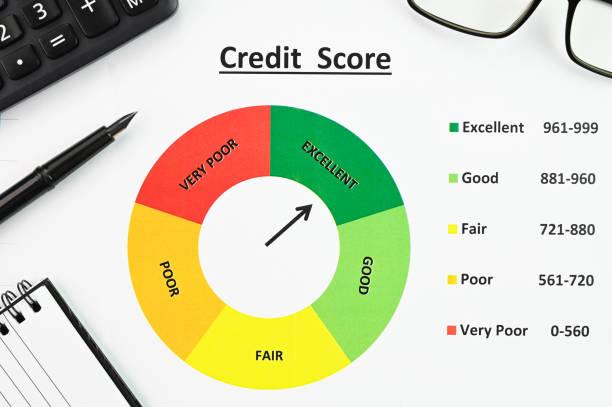
Reading the Pattern, Not Just the Score: A credit score tells part of the story. The payment trend tells the rest. Lenders who track how a business moves over time, improving, plateauing, or quietly deteriorating, make credit extension decisions with much better accuracy. Catching a downward trend early leaves room to adjust exposure before the account becomes a problem. Before making any decision, it’s best advised to check business credit reports.
What the Data Reveals Before You Say Yes
Pulling the Full Picture: Detailed business credit reports from multiple bureau sources give suppliers and lenders a layered view of financial behavior: trade payment history, bank data, public records, and risk scores in one place. That combination separates a surface-level check from actual underwriting. It’s the difference between knowing a business exists and knowing whether it pays.
Setting Limits That Reflect Reality: Credit limits that are set without current data tend to be either too conservative or dangerously loose. When limits reflect actual payment capacity, based on verified behavior across trade lines and financial records, both sides enter the arrangement with realistic expectations. That’s exactly where friction in credit relationships starts to ease.
Where Terms Are Negotiated and Revenue Is Protected
Leverage Comes from Information: Payment terms aren’t fixed. They’re negotiated, and the side with more information typically negotiates better. Suppliers who understand a buyer’s payment behavior can offer early payment discounts selectively, tighten terms for higher-risk accounts, or extend flexibility to buyers with consistently strong records. Not guesswork, but a data-backed decision.
The Scenarios That Quietly Go Wrong: Here’s what undisciplined credit decisions tend to produce:
- Extended terms granted to buyers with deteriorating payment trends, leaving suppliers chasing 90-day-old invoices with no real leverage left
- Credit limits set months ago, never reviewed, now carrying balances that no longer match the buyer’s actual position
- New trade relationships approved on a recommendation rather than a report, creating exposure that was never priced into the deal
Protecting the Portfolio Proactively: Left alone long enough, unmonitored accounts create concentration risk that’s hard to unwind. Regular portfolio review, supported by current credit data, keeps attention focused where exposure is building. Accounts that look stable on the surface sometimes aren’t, and the report confirms it before a payment cycle does.
Smarter Decisions, Stronger Trade Relationships
Credit data isn’t just a checkpoint before saying yes. It’s an ongoing input into how relationships are managed, how terms are structured, and where risk lives in a portfolio. Businesses that treat credit intelligence as a recurring discipline hold a clear edge in protecting revenue. If your process relies on outdated reports or single-source data, close that gap before the next decision does it for you. Contact an innovative business insights & solutions company today.
Featured Image Source: https://media.gettyimages.com/id/2204675283/photo/credit-score.jpg?s=612×612&w=0&k=20&c=kGBA4bdnje7HtEYcv8SiaqoxKAnbNQVTxsAd9MNrVns=
 Ryan Thorne