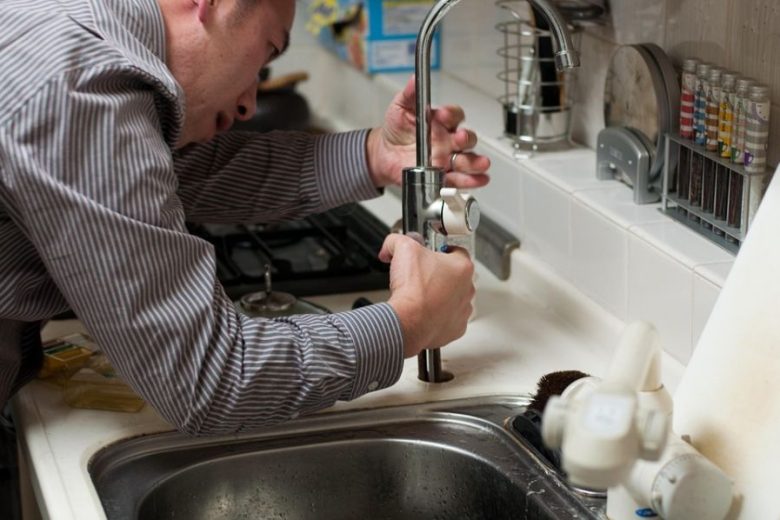
Plumbing emergencies do not arrive politely. Water pours out. Pressure builds. Panic follows. In those moments, judgment gets clouded, and rushed choices often lead to regret that lasts far longer than the repair itself.
That is why the decision matters more than most people think. Calling a 24 hour plumber without asking the right questions can turn a bad situation into a costly one. The goal is not speed alone. The goal is control, safety, and damage kept to a minimum.
Here is how to protect yourself before agreeing to anything.
1. How Fast Can You Actually Arrive?
Response time sounds simple.
It rarely is.
Ask for a clear arrival window. Not “soon” or “on the way.” A realistic estimate shows planning, not guesswork. Delays allow water to spread and materials to absorb moisture.
You should listen for:
- Specific time ranges
- Questions about access
- Guidance on shutting water off
Clear answers suggest readiness. Vague replies suggest trouble.
Let’s break it down. Speed without clarity often causes more stress, not less.
2. What Should Be Done Before Arrival?
Good plumbers guide you early.
Great ones prevent damage before they arrive.
You may hear advice about shutting valves, switching off boilers, or clearing space. That guidance limits damage while help travels.
Ask directly:
- Should water be isolated now?
- Is electricity at risk?
- Does heating need shutting down?
Water Regulations Advisory Scheme guidance supports early isolation to reduce harm. Silence on this point often signals poor preparation.
3. Are You Properly Qualified for This Type of Emergency?
Not every plumber handles emergencies well.
Some focus on planned work only.
You need someone comfortable with pressure and unfamiliar layouts. Emergency work demands fast diagnosis and calm actions.
Ask about experience with:
- Burst pipes
- Boiler failures
- Severe leaks
Chartered Institute of Plumbing and Heating Engineering highlights training and experience as key indicators of safe plumbing practice. Confidence should sound grounded, not rehearsed.
4. How Do You Handle Gas or Boiler Safety?
Gas issues raise stakes instantly.
Mistakes here carry serious risk.
Ask how gas checks happen before work begins. A responsible plumber explains detection steps and safety measures clearly.
Listen for mention of:
- Gas detection equipment
- Safety shutoffs
- System checks before restart
Health and Safety Executive guidance stresses gas safety procedures during emergency repairs. Any hesitation here deserves caution.
5. What Will This Cost Right Now?
Stress weakens price judgment.
That reality gets exploited.
Ask for clear pricing before work continues. Call-out fees, hourly rates, and parts should be explained plainly. Surprises later damage trust fast.
You deserve answers to:
- What does the call-out cover?
- How billing works after the first hour
- Whether parts add extra cost
Transparency under pressure shows professionalism.
6. What Happens If the Fix Is Temporary?
Some emergencies need stabilizing first.
Permanent repairs may follow later.
A good plumber explains this upfront. Temporary repairs stop damage but may require follow-up visits. That honesty protects expectations.
Ask:
- Is this a short-term fix?
- What signs should be watched later?
- When should further work happen?
British Standards Institution publications support staged repairs when conditions demand caution. Promising permanent fixes during chaos often leads to disappointment.
7. Will Cleanup Happen After the Repair?
Stopping water solves only part of the problem.
Moisture left behind causes long-term issues.
Ask how cleanup gets handled. Standing water should be removed. Nearby areas should be checked. Early moisture control limits mold and structural damage.
You should hear mention of:
- Water extraction
- Surface checks
- Advice on drying time
British Standards Institution guidance links early moisture removal to reduce building damage. Ignoring cleanup invites future costs.
8. What Proof of Work and Insurance Exists?
Trust feels fragile during emergencies.
Verification helps.
Ask about insurance coverage and guarantees on work carried out. Clear answers show accountability.
You should feel comfortable asking:
- Are you insured for emergency work?
- Does this repair carry any guarantee?
Responsible plumbers expect these questions. Resistance suggests risk.
Why These Questions Matter More Than Speed
Emergencies push you toward quick decisions.
That pressure leads to mistakes.
Asking these questions takes minutes. Those minutes protect your home, finances, and peace of mind. You may feel awkward asking. That feeling passes. Damage does not.
A 24 hour plumber who answers clearly shows readiness. One who avoids answers shows something else.
Common Mistakes People Make Under Pressure
Many people focus only on arrival speed.
Others skip pricing questions entirely.
Common errors include:
- Agreeing without cost clarity
- Ignoring safety explanations
- Assuming all plumbers handle emergencies equally
These mistakes feel small at first. They grow fast.
What Calm Answers Sound Like
Calm answers sound measured. Explanations feel simple. No rushing. No confusion. That tone matters as much as the words.
If answers feel scattered, trust that instinct.
Why Preparation Beats Panic
Emergencies rarely announce themselves.
Preparation happens before the call.
Saving this list helps. Remembering even a few questions helps more than none. Under pressure, structure restores control.
A 24 hour plumber should bring calm into chaos, not add to it.
Next steps
Plumbing emergencies test judgment fast.
Questions slow panic.
Knowing what to ask before hiring a 24 hour plumber protects you when stress runs high. It also filters out poor choices before damage grows.
When water threatens your space, clarity becomes your strongest tool.
Featured Image Source: https://pixabay.com/photos/plumber-handyman-repair-worker-228010
 Ryan Thorne