Older buildings across the city of London and the wider UK often operate with air-conditioning systems that have been running for years without proper regulatory oversight. These systems require periodic assessments to meet legal standards, yet many property managers remain unaware of their obligations until enforcement notices arrive. The consequences of overlooking these requirements extend beyond financial penalties, affecting property valuations and tenant relationships in ways that could have been prevented with timely action.
Understanding Your Legal Obligations
Mandatory Assessment Requirements: Buildings with air-conditioning systems over 12kW output capacity must undergo TM44 inspections every five years under current regulations. This threshold applies to most commercial premises, from office blocks to retail spaces, yet the requirement frequently falls off maintenance schedules. Property owners often focus on visible repairs and tenant concerns, leaving compliance documentation to accumulate dust until auditors or prospective buyers request proof of certification.
Cost Transparency Matters: The TM44 inspection cost varies depending on system complexity and building size, but transparent pricing helps businesses budget appropriately. Some providers quote low initial fees only to add charges for report preparation or emergency scheduling. Understanding what’s included in the base price prevents unexpected expenses and ensures you receive a complete, legally valid certificate that satisfies regulatory bodies and professional advisors during property transactions.
The Real Price of Postponing Inspections
Financial Penalties Keep Rising: Current enforcement penalties start at £300 for initial non-compliance, escalating to higher amounts for continued failures. These fines represent the minimum financial impact. The 2025 regulatory updates have strengthened enforcement mechanisms, making it easier for local authorities to identify non-compliant properties through building energy assessments and cross-referenced certification databases that flag overdue inspections automatically.
Hidden Operational Costs: Delayed inspections often reveal underlying system inefficiencies that have been consuming excess energy for months or years. Older cooling equipment running without professional evaluation typically operates at 20-30% below optimal efficiency. The cumulative energy waste often exceeds the inspection cost many times over, creating a false economy where avoiding the assessment fee actually increases total expenditure through inflated utility bills.
What Professional Inspections Actually Cover
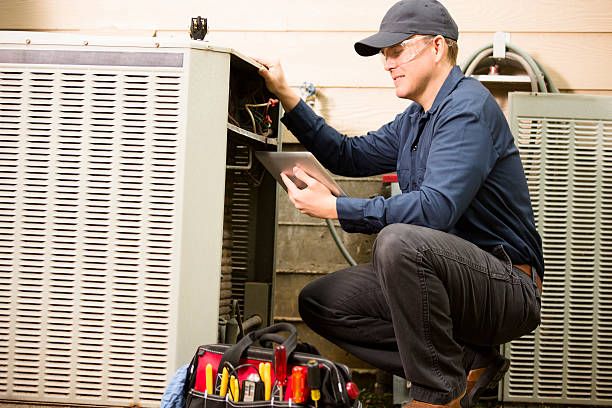
Certified assessors examine several critical system components during inspections:
- Refrigerant charge levels and potential leak points that affect cooling performance and environmental compliance.
- Control system functionality including thermostats, sensors, and automated management features that regulate temperature.
- Air distribution efficiency through ductwork inspection and airflow measurements at key delivery points.
- Heat exchanger condition and cleanliness affecting energy transfer rates and system longevity.
- Documentation review of maintenance records and previous inspection reports to establish compliance history.
Why Speed and Reliability Matter
Emergency Certification Services: Some situations demand rapid turnaround times. Property sales, lease negotiations, or unexpected audit notices create urgent needs for getting valid certificates. Specialist providers offer accelerated inspection scheduling, completing assessments and issuing documentation within 24-48 hours when standard timelines don’t align with business requirements or transaction deadlines.
Expertise in Older Properties: Buildings constructed before modern energy standards present unique challenges. Assessors familiar with legacy systems provide realistic recommendations that balance compliance requirements with practical constraints. Listed buildings and conservation areas require particularly careful handling, where regulatory obligations must coexist with preservation requirements that limit modification options available to property owners.
Meeting air-conditioning inspection deadlines protects your business from avoidable penalties and operational disruptions. Valid certification demonstrates professional property management and maintains asset value during transactions. Don’t wait for enforcement notices to prompt action. Schedule your assessment now to secure compliance and identify potential system improvements that reduce long-term operating costs.
Featured Image Source: https://media.gettyimages.com/id/489211146/photo/air-conditioner-repairman-works-on-home-unit-blue-collar-worker.jpg?s=612×612&w=0&k=20&c=bv18SUuuCiHkUZQ3qhzpYzqHufQ5povoyWy2h5U85RM=
 Ryan Thorne