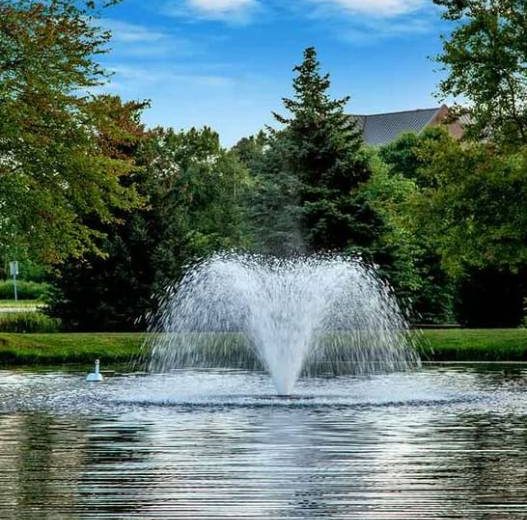
Water features come in many sizes, from compact tabletop designs to sprawling backyard ponds, and each one carries different requirements. The pump powering it needs to match those demands precisely. A mismatch between pump capacity and water volume shows up fast, sometimes as a weak spray, sometimes as cloudy water that refuses to clear regardless of routine cleaning effort.
When the Wrong Pump Choice Starts Costing You
Matching Output to Water Volume: The right pond pump delivers consistent flow and spray height matched to the actual water feature size, producing visible results from the moment it starts running. Undersized units strain against demand and fail to maintain basic circulation. Selecting a pump rated for the correct water volume separates reliable performance from a feature that requires constant adjustment and premature replacement.
Visual Impact That Justifies the Investment: A quality pond fountain pump boosts the aesthetic presence of any backyard pond, producing spray patterns and water height that form a natural visual centerpiece for the space. Beyond appearance, it circulates water through the full column rather than just the surface. That distinction determines whether the feature becomes a long-term asset or a repeated source of frustration and unplanned maintenance costs.
What Happens When Circulation Falls Short
Why Still Ponds Signal a Deeper Problem: Water stagnation develops quickly in ponds where circulation is weak, creating conditions that support algae growth, persistent foul odor, and declining oxygen levels. Fish populations suffer first, then plant health follows. A pump with adequate flow rate addresses this at the source by keeping water moving continuously rather than allowing dead zones to form where damage slowly compounds.
The Chemical Trap That Drains Your Maintenance Budget: Many pond owners respond to algae and murky water by adding treatments week after week. Those products may temporarily clear the surface, but without a pump actively circulating the water, conditions reset fast. Buying and applying treatments without addressing poor circulation is perhaps the most expensive ongoing mistake a pond owner makes across an entire season.
The Sizing Decisions That Separate Good Ponds From Great Ones
How Outdoor Design Shapes Pump Requirements: Outdoor landscaping ideas that incorporate water features work best when pump selection accounts for the full scope of the design. A small decorative stream needs a low-flow unit, while a large centerpiece pond demands higher capacity and head height. Getting this decision wrong from the start means the water feature underperforms regardless of how much effort surrounds it.
Pump Specifications That Determine Real-World Performance: Several features consistently separate high-performing units from those that disappoint across different water feature sizes and types:
- Head height rating determines how high water can be pushed, directly affecting spray pattern and overall fountain height during operation.
- Flow rate in gallons per hour should match total pond volume to maintain adequate water turnover and prevent dead zones from forming.
- Energy draw accumulates over months, and efficient motors deliver comparable output at considerably lower running costs through the season.
- Pre-filter screens block debris from reaching the impeller, extending pump lifespan and reducing hands-on maintenance frequency considerably.
Build Quality and the Longevity It Protects: A pump built from quality materials holds its circulation output across seasons rather than degrading in the first year. Impeller wear, seal deterioration, and motor strain reduce performance gradually in lower-grade units, often going unnoticed until water quality visibly declines. By that point, replacement and remediation costs tend to exceed what a better unit would have cost upfront.
The Water Feature Your Space Has Been Waiting For
A water feature that performs well and looks the way it should start with one well-matched pump. Every other element, from spray pattern to water clarity, depends on that foundation holding up across seasons. If your current setup has been falling short, explore the fountain pump options suited to your pond size and make a change that actually lasts.
Featured Image Source: https://www.fountaintechpumps.com/wp-content/uploads/2022/10/about-us.jpg
 Ryan Thorne