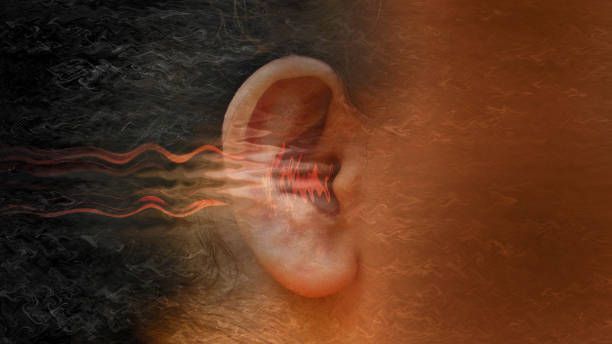
Tinnitus affects millions of people across the UK. The phantom sounds range from high-pitched ringing to low humming, clicking, or whooshing. Some experience it occasionally; others deal with constant noise that disrupts daily life. The condition stems from various underlying causes. Understanding these triggers helps patients make sense of their symptoms and seek proper treatment.
Understanding Tinnitus and Its Origins
Common Triggers and Risk Factors: An ENT specialist in Maidstone can identify specific causes through detailed examination. Prolonged exposure to loud noise damages delicate hair cells in the inner ear. Age-related hearing loss contributes to phantom sounds. Ear infections, wax buildup, and certain medications also trigger symptoms. Stress and fatigue often worsen the perception of these internal noises.
Medical Conditions That Contribute: Private ENT in London clinics assess patients for underlying health issues. High blood pressure affects blood flow to the ears. Thyroid problems alter metabolic processes that influence auditory function. Temporomandibular joint disorders create sounds that mimic tinnitus. Eustachian tube problems change pressure in the middle ear, leading to unusual auditory sensations.
How Specialists Diagnose the Problem
Initial Assessment and Testing: The diagnostic process begins with a thorough medical history. Specialists ask about noise exposure, medication use, and family history of hearing problems. Physical examination checks for earwax, infection, or structural abnormalities. Pure-tone audiometry reveals hearing loss patterns that often accompany tinnitus. These tests establish baseline hearing function and identify specific frequencies affected.
Advanced Investigations When Needed: Some cases require additional evaluation. Imaging scans rule out tumours or vascular abnormalities. Blood tests check thyroid function and vitamin deficiencies. Tympanometry assesses middle ear function and eustachian tube performance. These investigations help pinpoint less obvious causes that standard examination might miss.
Management Approaches That Help
Sound Therapy and Habituation: Many patients benefit from controlled sound exposure. White noise machines mask tinnitus during sleep. Hearing aids amplify external sounds, making internal noise less noticeable. Specially programmed devices deliver therapeutic sounds that retrain the brain’s response. The goal is habituation, where the brain learns to filter out phantom sounds as unimportant background noise.
Medical and Counselling Support: Treatment addresses underlying conditions. Managing blood pressure reduces pulsatile tinnitus. Switching medications eliminates drug-induced symptoms. Cognitive behavioural therapy helps patients cope with distress. Relaxation techniques reduce the stress that amplifies tinnitus perception. Some benefit from tinnitus retraining therapy, which combines sound therapy with counselling.
Practical Steps for Daily Life
Lifestyle Modifications That Make a Difference:
- Protect ears from loud environments with proper hearing protection
- Limit caffeine and alcohol intake, which may worsen symptoms
- Manage stress through exercise, meditation, or other relaxation methods
- Maintain good sleep hygiene to reduce fatigue-related symptom increases
- Keep background sound in quiet environments to avoid focusing on tinnitus
When to Seek Specialist Care: Sudden onset tinnitus requires prompt evaluation. Unilateral symptoms (affecting one ear only) need investigation to rule out serious conditions. Tinnitus accompanied by hearing loss, dizziness, or ear discharge warrants specialist assessment. Symptoms that significantly impact quality of life deserve professional attention, even without accompanying red flags.
Tinnitus affects people differently, but specialist care provides pathways to better management. Understanding the underlying causes guides appropriate treatment selection. From sound therapy to medical intervention, multiple options exist for reducing symptom impact. Private ENT specialists offer comprehensive assessment and personalised treatment plans. Don’t let persistent ear noise diminish your quality of life. Schedule a consultation with an ENT specialist to explore management options suited to your specific situation and regain control over your auditory health.
Sri Mahalingam is an award-winning Consultant Ear, Nose & Throat Surgeon based in London & Kent. He runs clinics in Central London (Harley Street), Orpington, Sevenoaks, Tunbridge Wells & Maidstone. Weekend and evening clinics are also offered for the convenience of patients. Please get in touch if you have any queries.
Featured Image Source: https://media.gettyimages.com/id/1777374318/photo/noise-pollution-a-health-threat.jpg?s=612×612&w=0&k=20&c=fuyE4yNWR6zxBvImEkRR9ClaMcmdtW_C5e2R4shFLrI=
 Ryan Thorne