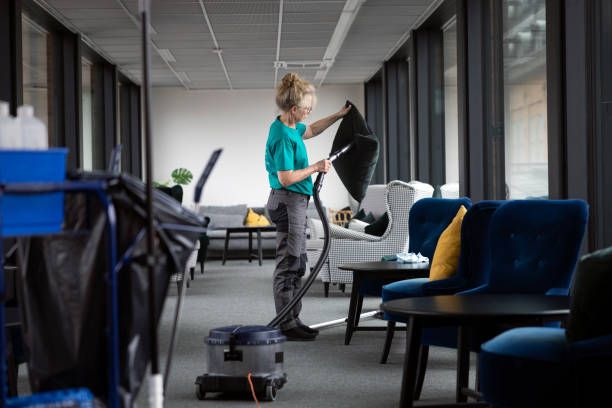
Dirty offices cost more than most managers realise. The grime accumulating on keyboards, door handles, and carpets doesn’t just look bad. It creates real financial damage that shows up in sick leave reports, maintenance bills, and employee turnover rates.
The Hidden Expenses of Poor Workplace Hygiene
Health-Related Absences: When commercial cleaners aren’t maintaining proper standards, bacteria and viruses spread quickly through shared spaces. Desks harbour more germs than toilet seats, and unwashed break rooms become breeding grounds for illness. Staff catch colds and flu more often, leading to absences that disrupt projects and strain remaining team members who must cover additional workload.
Perception Problems: A workspace’s appearance directly affects brand impression among clients, partners, and potential hires. Stained carpets and dusty surfaces suggest carelessness that extends beyond cleaning. Visitors question whether a company that neglects its environment can be trusted with their business, and talented candidates often reject offers after seeing unkempt facilities during interviews.
Professional Relationships Suffer: Poor cleanliness damages stakeholder relationships by creating uncomfortable meeting environments. Partners notice grimy conference rooms, and investors pick up on neglected maintenance. These details matter more than many realise because they signal how seriously a business takes its operations and commitments.
Direct Financial Impact on Operations
Productivity Takes a Hit: Cluttered, dirty spaces make concentration difficult. Employees waste time looking for documents buried under mess, and poor air quality from dust buildup causes headaches and fatigue. Studies show workers in clean environments complete tasks faster and make fewer errors, but quantifying this loss is tricky until it’s too late.
Equipment Breaks Down Faster: Dust clogs ventilation systems and computer hardware, shortening their lifespan. Carpets wear out quicker when dirt grinds into fibres daily. Kitchen appliances fail sooner without regular deep cleaning. The replacement and repair costs add up, particularly when multiple items need attention simultaneously during busy periods.
What Regular Professional Cleaning Prevents
Cost Control Through Prevention: Contract cleaning services cost less than dealing with emergencies. Regular maintenance catches problems early, like mould growth or pest attraction, before they require expensive remediation. Scheduled cleaning also means predictable budgeting rather than surprise expenses that disrupt financial planning.
Staff Retention Improves: Employees notice when management invests in their work environment. Clean facilities show respect for staff wellbeing, reducing turnover that costs thousands per replacement in recruitment and training. People perform better and stay longer in spaces that don’t make them ill or embarrassed.
Long-Term Asset Protection: Buildings maintained properly hold their value. Carpets last years longer with professional care. Paint and fixtures need replacing less often. This matters for businesses planning to sell or lease property, where neglect shows up in valuations and reduces negotiating power with potential buyers.
Practical Steps for Better Workplace Standards
Assessment and Planning: Walk through the workspace honestly. Which areas get ignored? Where does dirt accumulate fastest? High-traffic zones need daily attention. Toilets and kitchens require multiple visits. Storage areas and less-used rooms still need weekly coverage to prevent dust and pest issues from developing unnoticed.
Choosing the Right Approach: Different spaces need different frequencies and methods:
- Reception areas: Daily vacuuming and surface wiping to maintain first impressions
- Workstations: Regular disinfection of keyboards, phones, and shared equipment
- Kitchens: Multiple daily visits for surfaces, with weekly deep cleaning of appliances
- Toilets: Minimum twice-daily sanitation with restocking of supplies
- Carpets: Weekly vacuuming with quarterly deep cleaning to remove embedded dirt
Treating cleaning as an expense rather than investment creates problems that cost far more to fix later. Regular professional maintenance protects staff health, preserves equipment and property, and maintains the professional appearance that stakeholder relationships depend on. Facility managers should review current cleaning standards and consider whether short-term savings justify the long-term risks to productivity, reputation, and asset value. Request a workspace assessment today to identify areas where improved cleaning could reduce operational costs and protect your business investment.
Featured Image Source: https://media.gettyimages.com/id/2155334037/photo/mature-female-janitor-using-vacuum-cleaner-on-cushion-while-cleaning-lobby.jpg?s=612×612&w=0&k=20&c=Jd-iz4DhGxapdjyOEddHKFRXTdcFCnB8Dw8Cy24tcHw=
 Ryan Thorne