The aerospace sector demands fasteners that perform beyond standard specifications. Every component must withstand forces that would compromise ordinary hardware within hours of operation. Engineers select fasteners based on their ability to maintain precise positioning under stress, temperature fluctuations, and constant vibration. The margin for error in these applications is essentially zero.
Critical Fastener Design in High-Stress Applications
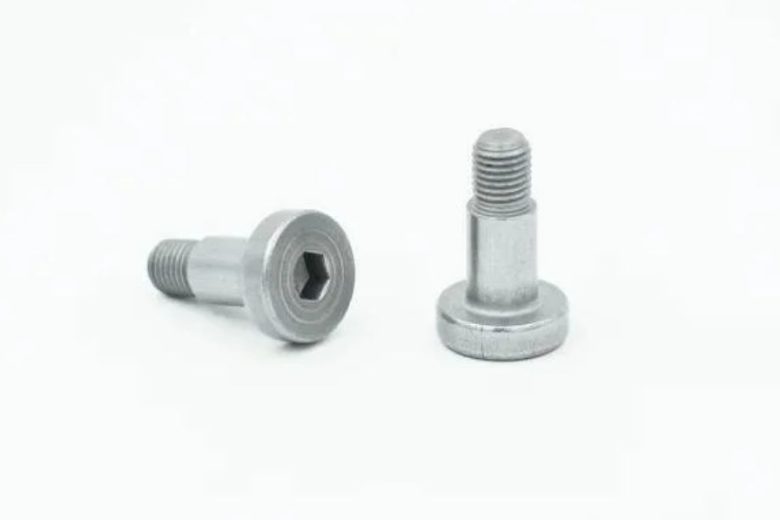
Shoulder Bolt Engineering for Precision Alignment: Shoulder bolts feature a cylindrical shoulder section between the head and threaded portion, creating a smooth bearing surface. This design allows rotating or sliding components to move freely whilst maintaining exact positioning. The shoulder acts as a fixed-diameter pivot point, preventing lateral movement that could cause misalignment. In aerospace assemblies, this precision prevents wear on mating parts and ensures consistent performance over thousands of operational cycles.
Material Selection for Extreme Environments: Aerospace components require fasteners manufactured from high-grade alloys that resist thermal expansion and maintain their strength at altitude. Titanium and stainless steel alloys provide the necessary strength-to-weight ratio. These materials endure temperature ranges from sub-zero conditions at cruising altitude to intense heat generated by friction and engine proximity. The shoulder’s hardened surface resists galling and wear, maintaining dimensional accuracy throughout the component’s service life.
Load Distribution and Structural Integrity
Bearing Surface Optimisation: The shoulder diameter is machined to precise tolerances, typically within micrometres. This accuracy ensures even load distribution across the bearing surface, preventing stress concentration points that lead to fatigue failure. When components pivot or slide against the shoulder, the uniform contact area minimises friction and heat generation. Proper load distribution extends component life and reduces maintenance intervals.
Vibration Resistance in Moving Assemblies: Aircraft structures experience constant vibration from engines, aerodynamic forces, and control surface movement. Standard threaded fasteners can loosen over time, but shoulder bolts maintain their holding force through the shoulder’s interference fit. The shoulder prevents the bolt from rotating within its housing, keeping threaded connections secure. Control linkages, landing gear mechanisms, and flight control systems rely on this stability to function correctly under all flight conditions.
Installation and Maintenance Considerations
Torque Specifications and Assembly Protocols: Proper installation requires specific torque values that compress components without overloading the threads. The shoulder must fit snugly in its bore to prevent play, but not so tightly that it binds moving parts. Installation typically involves:
- Cleaning all mating surfaces to remove contaminants
- Applying approved thread-locking compounds where specified
- Using calibrated torque wrenches to achieve exact preload
- Verifying shoulder seating and component movement after installation
Inspection Requirements for Continued Airworthiness: Regular inspections check for wear on the shoulder surface, thread damage, and proper retention. Visual examination identifies surface scoring, corrosion, or dimensional changes. Gauging tools verify that shoulder diameter remains within tolerance. Any degradation requires immediate replacement, as worn fasteners compromise assembly alignment and safety margins.
Shoulder bolts provide the precision and reliability that aerospace assemblies demand. Their engineered design maintains exact alignment under forces that would defeat standard fasteners, protecting critical systems throughout an aircraft’s operational life. Selecting the correct shoulder bolt specifications for each application ensures mechanical integrity and reduces long-term maintenance costs. Review your current fastener specifications to verify they meet the demanding standards required for aerospace applications.
Featured Image Source: https://upsind.com/shoulder-bolts-applications-precision-engineering
 Ryan Thorne